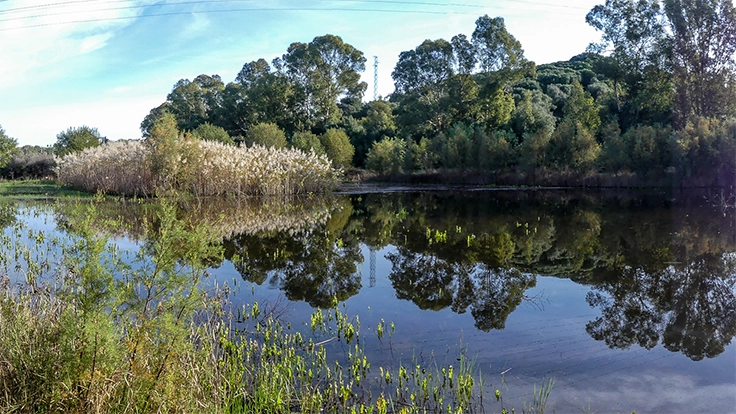
Wetlands
At fundación Moeve, we work to restore biodiversity and the ecosystems that sustain life, with a special focus on wetlands..
Our strategy seeks to restore, conserve, and connect these natural ecosystems, which store water, buffer droughts, capture carbon, sustain ecological corridors, and generate social and educational value. They also encourage the return of species and protect the natural resources that connect communities with their land.
Our strategy: restore, conserve, and connect
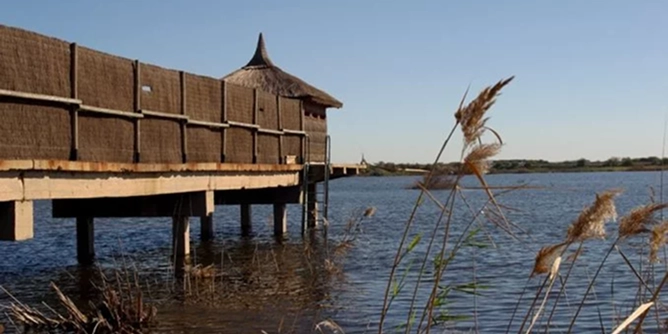
Laguna Primera de Palos lagoon, Palos de la Frontera
The comprehensive restoration of Laguna Primera de Palos in 2001 was a pioneering project in Spain. We know there can be no social well-being without healthy ecosystems, so we restored one of the most valuable wetlands in the province of Huelva and opened it to the public in collaboration with the Andalusian Regional Government and the Palos de la Frontera Town Council.
Today, fundación Moeve continues to join forces and actively support scientific and conservation work with universities such as those of Huelva, Seville, and Málaga, while also developing environmental improvement and visitor management initiatives. Thanks to this joint effort, the ecosystem continues to evolve and offer a vital refuge for more than 50 endangered animal species.
We look after water quality, manage the surroundings to attract waterbirds, and work with experts and environmental organizations to strengthen biodiversity. Thanks to this work, the lagoon (recognized as a Wetland of International Importance under the Ramsar Convention and part of the Natura 2000 network) remains an example of how active conservation allows ecosystems to thrive and continue to bring life, balance, and a future to the region.
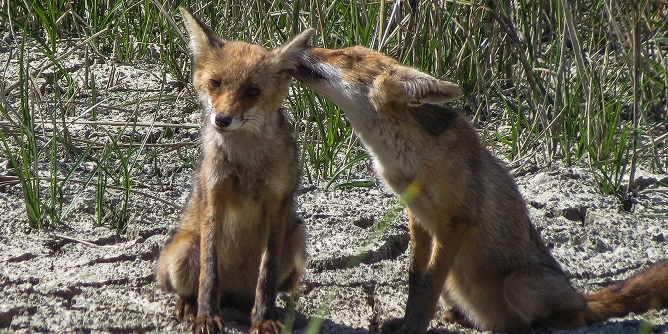
Madrevieja Environmental Station, San Roque
In 2008, we began rewilding this human-altered land and transformed it into a freshwater wetland. The result is a diverse natural area that brings together different types of habitats and shows how they function and interact with one another. This mosaic of environments, which includes lagoons, areas of native vegetation, and wild olive woodlands, is home each year to more than 150 monitored bird species.
It has also become a key site for the recovery project for the European pond turtle (Emys orbicularis), a native species listed as “Vulnerable” in Spain by the IUCN.
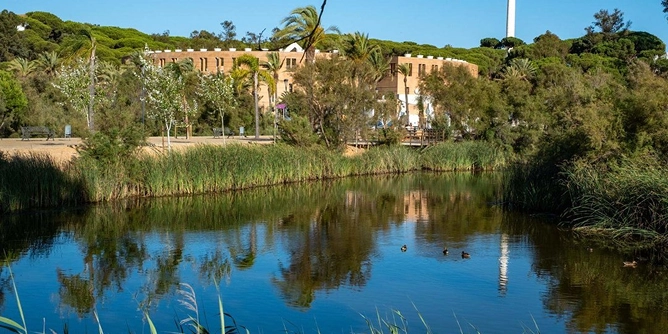
Laguna de La Rábida lagoon, Palos de la Frontera
Next to the Muelle de las Carabelas (Wharf of the Caravels) in La Rábida, Huelva, we have restored the ecological function and landscape of two small lagoons, one freshwater and one brackish, which serve as a spectacular natural gateway to this cultural complex and as a refuge for biodiversity.
After years of degradation, we restored them by removing non-native species and reintroducing native aquatic plants, bringing back open water and diversifying their habitats. Today, the site is a living space where biodiversity, culture, and public participation come together thanks to the installation of boardwalks, meadows, a viewpoint, and an observation gazebo with educational displays. It is a unique spot enjoyed by more than 200,000 people every year.
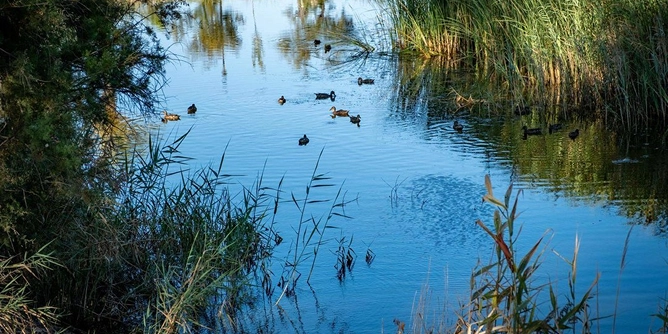
Arroyo Negro Estuary, La Línea
On the east coast of La Línea de la Concepción, Cádiz, we have focused our efforts on restoring the dune system and recovering this unique coastal wetland where Arroyo Negro and Los Charcones streams meet.
Following its restoration, the site, which has been designated a regional and municipal micro-reserve, provides shelter for nearly 350 different species, including marine species linked to the Marino Oriental SCI (Site of Community Importance). Thanks to collaborative work, the municipality’s last coastal wetland is now a prime spot for nature watching, environmental education, and sustainable tourism, and has become a strategic site for biodiversity in the area.
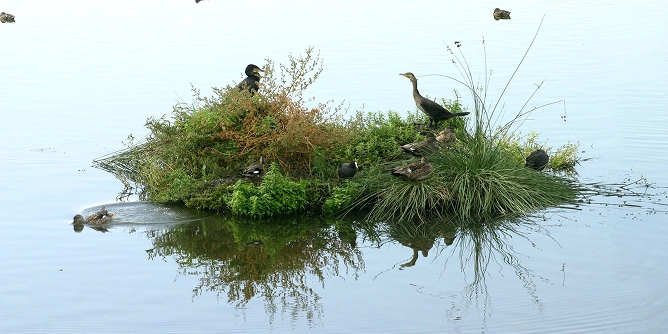
La Mejorada (Brazo del Este)
We work at a site located in one of the most valuable floodplains of the Guadalquivir marshes, very close to Doñana. Its strategic location makes it an essential refuge for waterbirds, especially during periods of water stress. La Mejorada provides shelter for endangered species such as the marbled duck, the red-knobbed coot, and the glossy ibis.
The area has been reshaped by old river channels and by a network of canals, levees, and roads that have altered the natural flow of water and divided the marsh. These changes to the land, together with agricultural use of the riverbanks, have reduced natural water renewal and point to the need to restore the ecosystem’s ecological dynamics.
For our foundation, this Natural Site (part of the Natura 2000 network, a Special Protection Area [SPA] for birds, and linked to the Ramsar designation of Brazo del Este) is an opportunity to recover degraded habitats, improve ecological connectivity across the estuary, and strengthen the area’s ability to cope with climate change.
Laguna de las Madres (Huelva)
Within the Lagunas de Palos y Las Madres Natural Site, we at fundación Moeve have signed a collaboration agreement with the Andalusian Regional Government for a long-term restoration project at Laguna de las Madres. It is a strategic and exciting commitment to securing the future of one of the largest and most valuable wetlands in the province of Huelva.
Las Madres, which is recognized under both international (Ramsar) and European (Natura 2000) protection designations, now faces the challenge of recovering its full ecological function after decades of degradation. It is a challenge we are tackling as a team: our work will focus on restoring peatlands and aquatic habitats, improving water dynamics, and controlling non-native species, with the involvement of local authorities and the agricultural sector from the very start.
Through this project, we are strengthening connectivity with Laguna Primera de Palos and other wetlands in the province, expanding the scale of conservation and biodiversity recovery in the area.
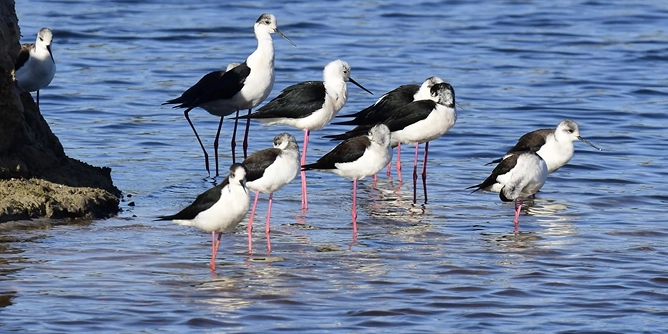
Marismas del Odiel marshes, Huelva
Our commitment to wetland conservation goes beyond coastal areas. At fundación Moeve, we maintain a strong, lasting relationship with Marismas del Odiel, built on awareness-raising, ecological restoration, and institutional cooperation.
We believe in the importance of sharing the value of our natural heritage. That’s why we support outreach initiatives such as the photo exhibition “Marismas del Odiel. Un paraje por descubrir” (Marismas del Odiel: A Place to Discover), designed to bring the public closer to the extraordinary landscapes and birdlife of this unique site, a designated Biosphere Reserve and SPA.
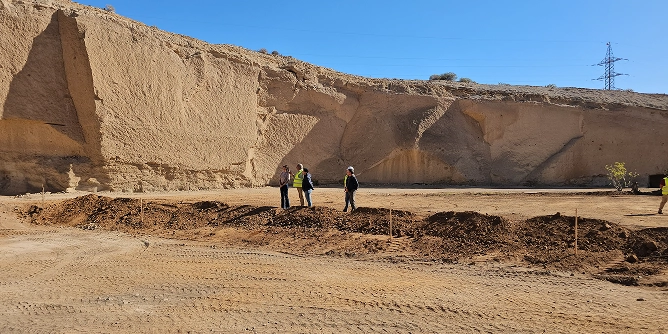
Los Eres wetland, Fasnia
A new ecosystem for a more resilient region
Together with the Tenerife Island Council, we are driving the creation of an artificial wetland at the Los Eres Environmental Center: a pioneering initiative on the island that brings together conservation, outreach, and climate change adaptation.
This experimental project makes it possible to study the presence of steppe, migratory, and vagrant birds. It includes revegetating the area with native plants from the lowland and thermophilous vegetation belts, as well as developing educational spaces and outreach activities for schoolchildren and the general public to connect the community with its surroundings.
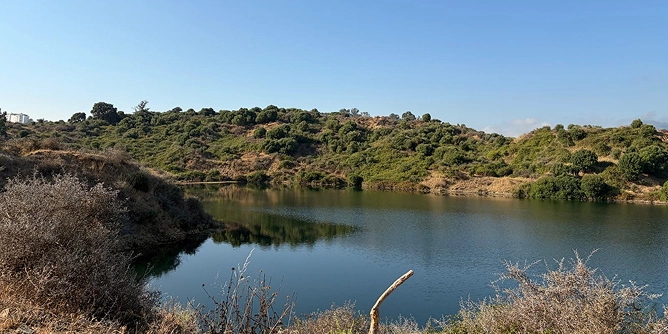
Huerta de las Pilas, Algeciras
The Huerta de las Pilas wetland recovery project aims to drive the conservation and restoration of one of the most distinctive natural areas in the Campo de Gibraltar. This freshwater lagoon, located in a former quarry and now included in the Andalusian Wetlands Inventory, has become an important refuge for biodiversity, home to numerous species of birds, amphibians, and mammals, some of them endangered.
The initiative promotes the rewilding of the area, the improvement of its habitats, and the protection of its ecological and heritage values, along with research, environmental education, and public participation activities, helping to protect nature and create social value for the region.
Internationally recognized havens for life
The natural wealth of our wetlands has earned them the highest level of protection. We conserve ecosystems endorsed by the world’s most rigorous institutions and conventions, ensuring they remain a safe home for biodiversity today and in the future.





A visual tour of our biodiversity havens
Discover the wetlands where we are helping nature recover.
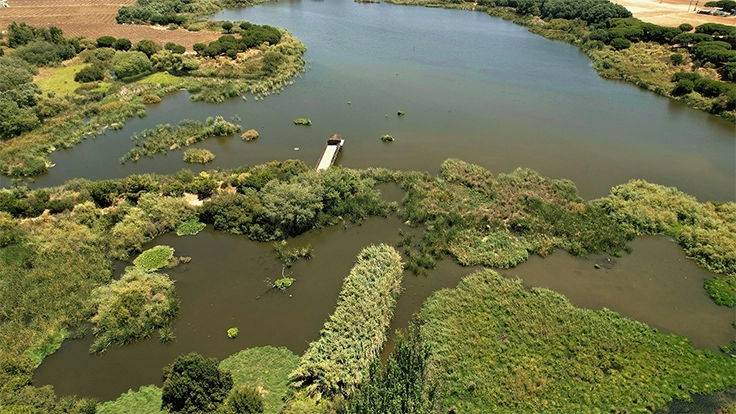
Aerial view of Laguna Primera de Palos lagoon
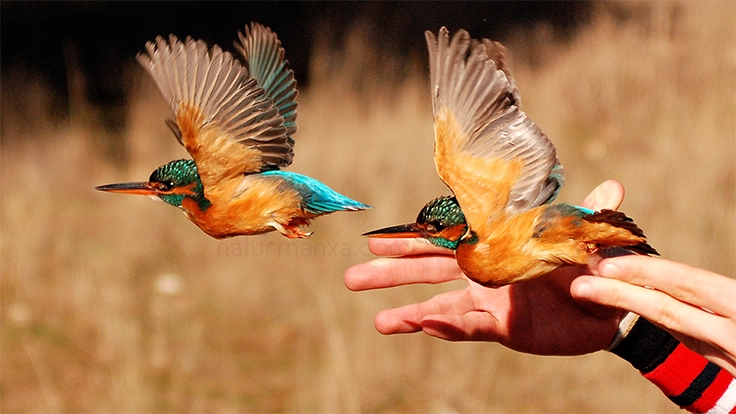
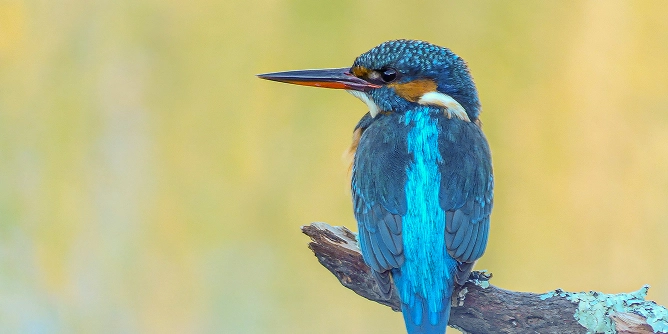
Releasing a kingfisher after scientific banding at Madrevieja
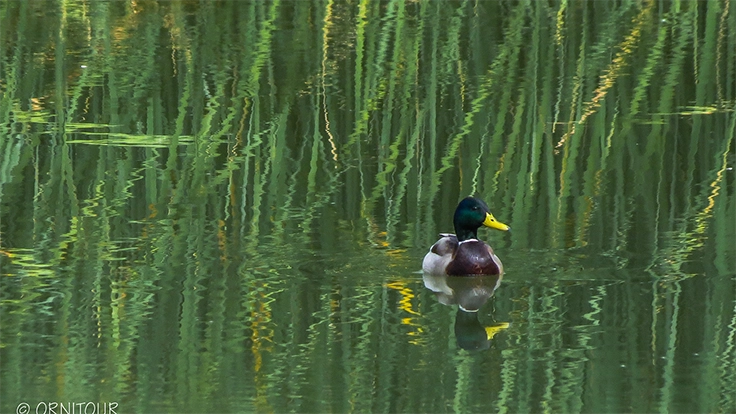
Male mallard duck